

- You have no items in your shopping cart
- Continue Shopping

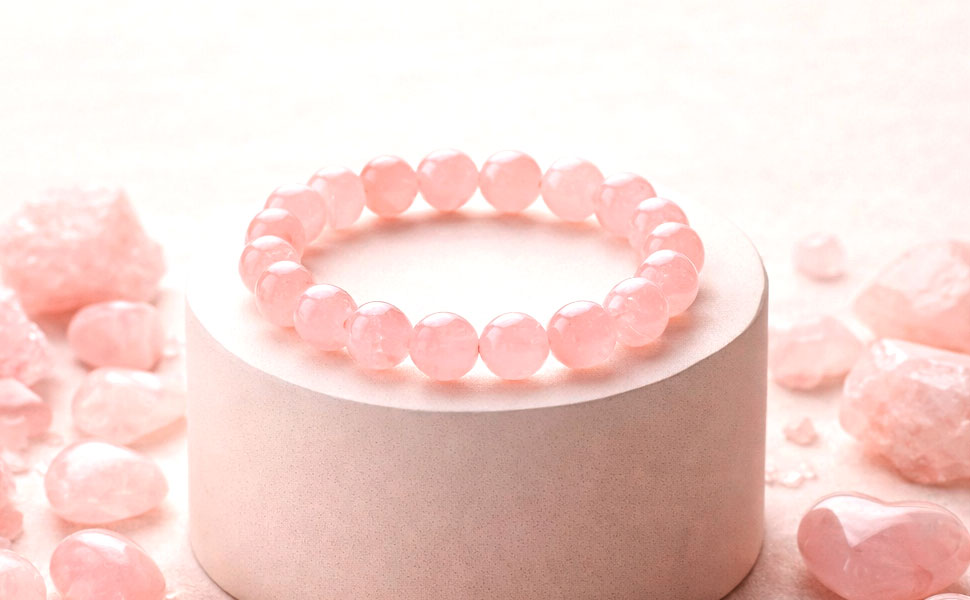
Table of Contents
Crystals have woven themselves into modern life’s quiet moments. Rose quartz bracelet on a stressful working day. A cluster of amethysts that lies close to the bed so as to have peaceful sleep. A crystal of clear quartz is brought to a table. They are intimate; their presence is personal.
Ethical sourcing isn’t a marketing trend. It’s about real people, real landscapes, and the integrity of the stone that now sits in your palm. This guide explores why sourcing matters deeply, how it connects to a crystal’s quality and your trust, and what to look for when searching for crystals for sale online.
Why Ethical Sourcing Matters More Than Ever
Crystals are born from the Earth through geological processes that take millions of years. Their extraction, however, is human work and not always gentle work. In some regions, mining has been linked to unsafe labour conditions, child workers, and significant damage to local ecosystems and water sources. These stories rarely appear on glowing product pages or serene Instagram feeds.
Ethical sourcing considers the full journey:
The path down to the earth to the mine, in the hands that take such care to work it out, to the workmen who perfect it and shape it, and finally to your own house.
When sourcing is careless, the true cost extends beyond money:
- Unsafe working conditions for miners
- Environmental degradation: soil erosion, water contamination, deforestation
- Communities are left depleted once resources are extracted
- Over-mining that exhausts rare crystal deposits
Ethical sourcing doesn’t imply perfection, but rather conscious effort. Fair wages. Safer tools. Respect for the land. A long-term view instead of short-term profit. A crystal carries a story, and how it was sourced becomes a fundamental chapter of that story.
The Surprising Link Between Ethics and Crystal Quality
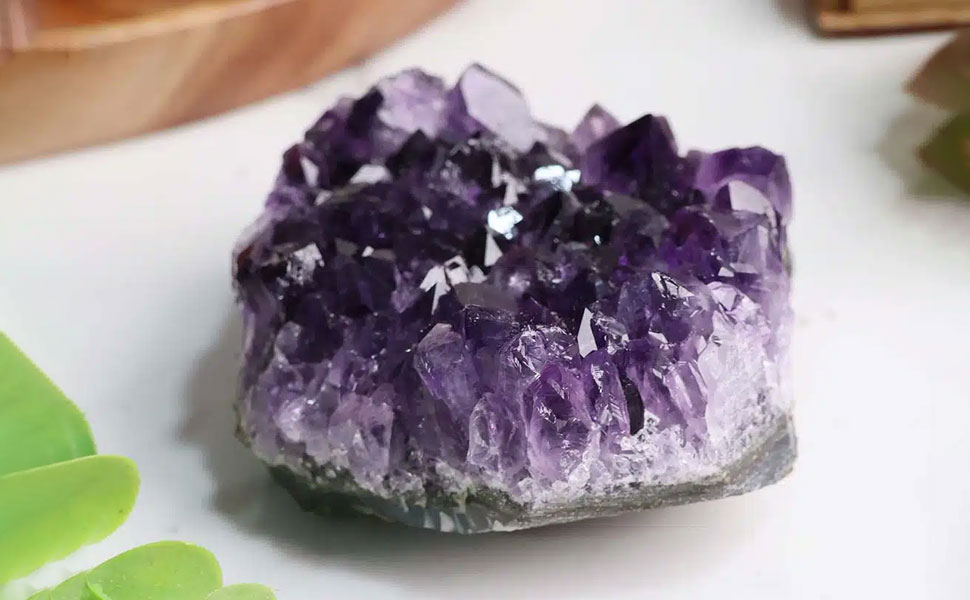
Here’s something that often surprises people: ethical sourcing frequently leads to better-quality stones.
Miners who are paid fairly and work under safer conditions tend to handle crystals with more care. Extraction is more deliberate. Sorting is done attentively, reducing chips and fractures.
Stones aren’t rushed through aggressive treatments like harsh heating or dyeing simply to make them look more vibrant quickly.
Conversely, unethical mining often chases speed and volume. Stones may be:
- Cracked during reckless extraction
- Dyed to enhance colour
- Heated aggressively to improve clarity
- Mislabeled entirely
The result can be a crystal that looks bright but feels energetically dull or unstable. Many sensitive users’ sense this disconnect without knowing why.
Ethics and quality have always moved together. A cared-for process yields a cared-for stone.
A Real-World Glimpse into Responsible Mining
In regions like Minas Gerais (Brazil) and certain parts of Madagascar, some small-scale mines have shifted toward community-based, cooperative models. Here, local families collectively own sections of land. Profits stay within the village, funding schools, healthcare, and infrastructure. Environmental limits are respected; mining is seasonal and scaled to what the land can replenish.
Yes, these mines produce fewer stones. Yes, their prices may be slightly higher. But what reaches the buyer is different: crystals with clearer internal structures, natural integrity, and what many describe as a steadier, more grounded energy.
Sellers who partner with such sources often build relationships that last decades, not just seasonal contracts. The difference isn’t loud; it’s a quiet consistency you can feel.
Signs of an Ethical Crystal Seller
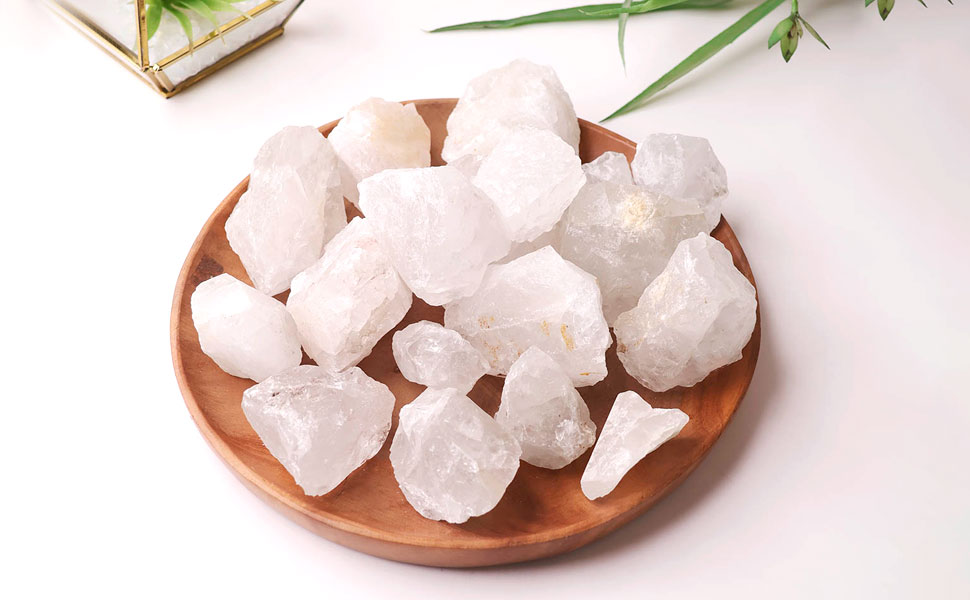
Ethical sellers tend to explain rather than shout. Look for these gentle signals:
- Transparent product descriptions that include origin and treatment notes
- Clear, unedited photos showing natural variations, inclusions, and true colours
- Educational content about stone origins, geology, and care, not just metaphysical claims
- No exaggerated promises about healing or spiritual outcomes
- Patient, knowledgeable responses to your questions
A seller who respects the stone usually respects the buyer, too. This is especially important to remember when evaluating different sources for crystals for sale online.
The Tale of the Crystal Ball: A Case Study in Integrity
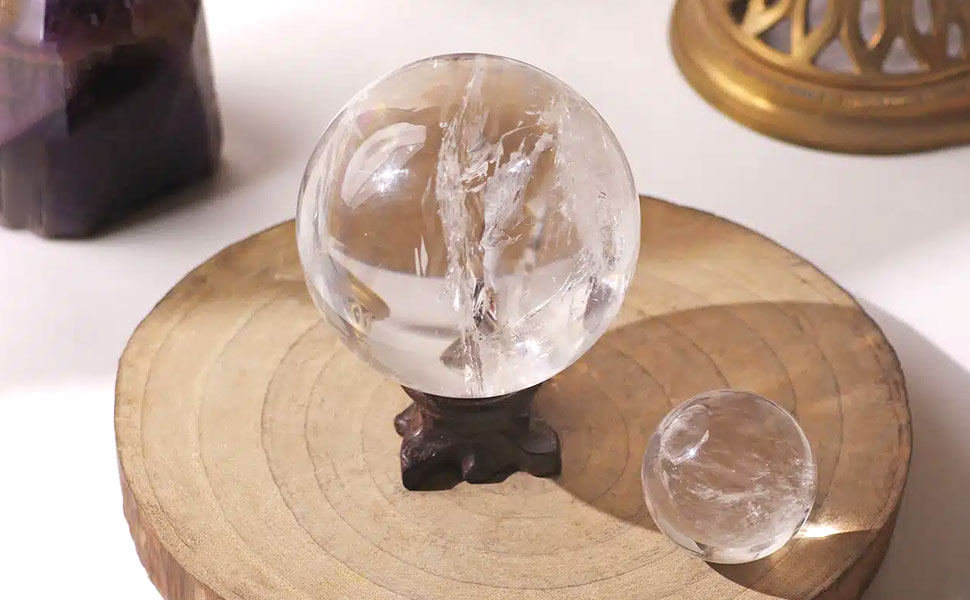
The crystal ball holds a special place in spiritual practice. Creating a large, clear sphere requires a substantial raw piece and skilled, patient cutting. Under unethical practices, flawed material may be filled with resin, heavily polished to mask cracks, or even made from reconstituted crystal powder.
A crystal ball of ethical origin, though, will tend to have subtle signs of its mineral formation, soft inner clouds, fine veils, or natural inclusions. These aren’t flaws; they’re signatures of authenticity. They reveal a stone that wasn’t forced into unnatural perfection.
How to Buy with Intention Without Feeling Overwhelmed
Ethical consumption isn’t about memorising mining regulations or feeling guilty. It is a matter of consciousness and conformity to your values, making decisions according to them.
Start simply:
- Choose one trusted seller and begin a conversation.
- Ask one or two questions from the list above.
- Notice how the stone feels over time in your hand, in your space.
- Observe how the brand communicates before, during, and after your purchase.
This is a practice, not a test. Let it deepen gradually.
Why Ethical Sourcing Supports True Wellness
Many turn to crystals for grounding, calm, and energetic balance. There is a lack of reverberation in that intent when the rock in your hand holds unknown tales of injury or oppression.
Whether you engage in energy work, meditation, or simply appreciate natural beauty, respect is the foundation. Ethical sourcing extends that respect backwards through the supply chain and forward into your daily life.
Your desired peace must not be another in the name of crystals.
Key Takeaways at a Glance
- Ethical sourcing protects people and the planet.
- Quality and ethics are closely linked. Well-sourced stones often carry better energy and durability.
- Being transparent is better than having a perfect language; being honest helps to develop trust.
- Asking questions cultivates conscious consumption.
- Ethically sourced crystals often carry a steady, lasting presence.
Why Your Crystal’s Story is Part of Its Value
Crystals can stay with us for years, sometimes for generations. Their journey becomes part of our own. Choosing responsibly supports a cleaner supply chain, honours skilled craftsmanship, and nurtures a more honest relationship with the Earth.
That commitment to integrity is why, at Shubhanjali, we choose our sources with care, transparency, and deep respect for the stones, the hands that bring them forth, and the hearts that welcome them home.