
- You have no items in your shopping cart
- Continue Shopping

Table of Contents
A friend told me about her experience of having a small crystal which she put in her pocket during a stressful examination week. Nothing dramatic happened. No lightning bolt struck. Just slightly calmer thoughts and deeper sleep. That subtle moment captures exactly why crystals spark both deep curiosity and sharp scepticism. Some people swear by them. Others dismiss them entirely. Truth, as it often does, lives in the gentle middle.
This guide addresses common myths, examines what science actually says, and helps distinguish between belief, the placebo effect, and genuine personal value. Clear answers. No hype. No fear.
Why Crystal Myths Persist
Crystals are on a distinctive edge: traditionally, spirituality is combined with the fashionable wellness trends and enhanced with the influence of social media. It is an arena where one makes bold statements without having to understand them properly.
Myths spread easily because:
- Ancient practices carry an aura of mystery and power.
- Personal emotional experiences feel real, regardless of laboratory proof.
- Marketing language often exaggerates subtle benefits.
- Science moves deliberately, while viral posts do not.
This is an important context to understand in order to bring needed balance to the discussion.
Myth 1: Crystals Heal Diseases
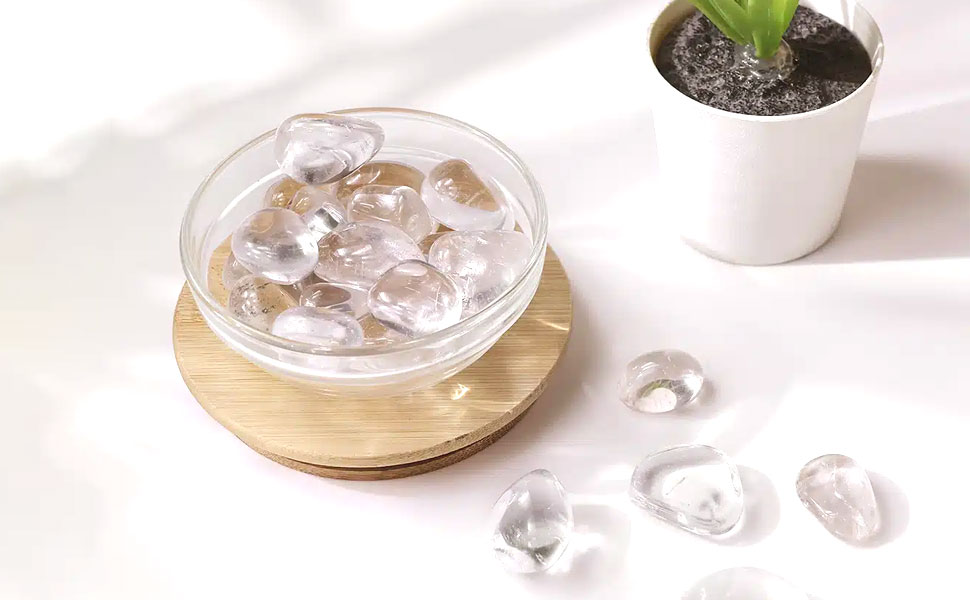
This is the most critical and dangerous misconception.
Crystals do not cure illness. They do not treat cancer, replace therapy, or mend broken bones. Medical healing requires evidence-based treatment, and crystals fall firmly outside that category.
What’s actually happening?
To most, the crystal serves as an emotional aid, a physical element to remind the mind to relax, to breathe or to bring the mind back on track. This distinction is vital. The effectiveness of ritual objects in aiding emotional control is well-reported in psychology. The stone is not the one that heals the body, but the conscious state that it can assist in fostering well-being.
Myth 2: “There’s No Science Involved at All”
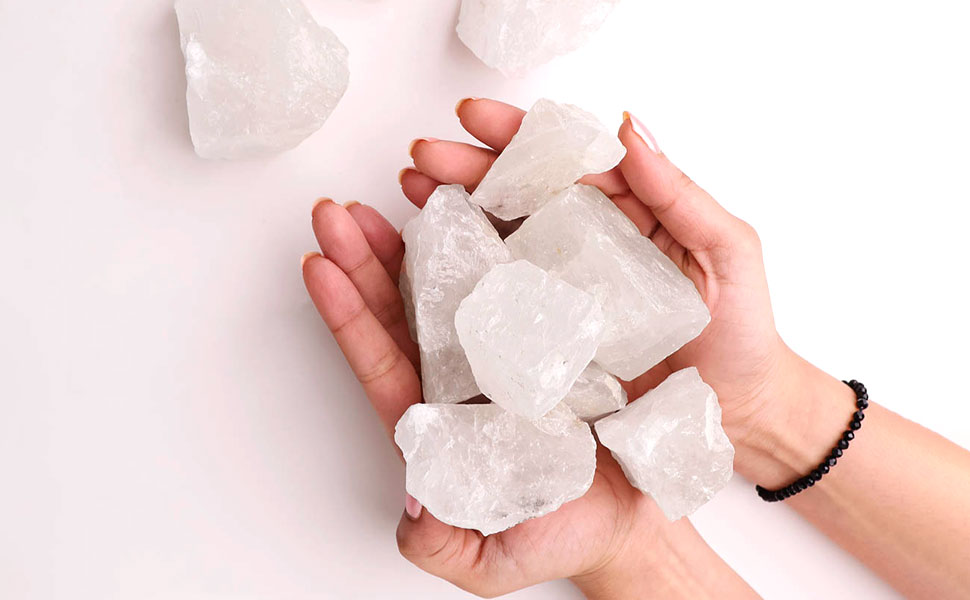
This claim is an oversimplification.
The art of crystals as minerals is solid. They have a deep study of their geological structures. An example where quartz is applied in watches and electronics is because of its accurate piezoelectric properties that are pure physics.
The “healing” claims are where mainstream science pauses. No peer-reviewed study proves crystals emit a measurable energy that cures disease. However, extensive research does validate the placebo effect. When a person believes something is helpful, the brain can trigger real biochemical responses that reduce stress and perceived pain.
The effects on health of stress reduction alone include reduced cortisol, improved sleep, and improved digestion. The fact that it exists is independent of how it came into existence, which might be on a psychological level.
Myth 3: Feeling Better Means the Crystal “Worked”
Correlation is often mistaken for causation.
Imagine someone wears a new bracelet and feels calmer that week. But life also slowed down. Sleep improved. A stressful project ended.
Crystals often act as anchors, physical reminders to pause and reset, much like meditation beads or a favourite photograph. The benefit comes from the conscious attention and intention they summon, not from the stone emitting a mysterious force.
This doesn’t make the experience “fake.” It simply clarifies the source. Honest crystal use respects that boundary.
What Science Actually Says About “Crystal Healing”
The scientific opinion is still evident and guarded:
- No information is available to confirm that crystals possess a particular and measurable amount of energy that interacts directly with human biology.
- Strong evidence confirms that placebo effects, rituals, and mindfulness practices can improve subjective well-being, reduce anxiety and lower stress-related symptoms.
- Emotional states and behaviour may be positively affected by symbolic objects.
Crystals fit neatly into this last framework. They are tools for supporting mindset, not replacements for medicine. Responsible brands communicate this transparency.
Why People Choose Crystals Anyway
Human beings are not purely logical. We are meaning-makers. Crystals offer:
- Tangible comfort during intangible stress
- Symbolic support for intentions and goals
- A pause button in a busy routine
- A sense of grounding and connection
The fanatical outcries almost drown out these little personal gains. Used gently, crystals function like journaling or breathwork tools for mindful reflection.
Buying Crystals Responsibly
Quality is not something because it is pure energy, but authenticity is a ground of trust.
Natural stones vary in colour, shape and clarity. Uniform perfection often signals heavy treatment or synthetic materials. When searching for quality crystals online, look for:
- Clear descriptions of origin and any treatments
- Transparency about natural variations
- Real, unedited photos, not glossy stock images
- Clear return and support policies
Authenticity of an original crystal has nothing to do with magic aspects; it depends on sourcing truthfully and telling it in a straightforward manner.
A Practical Approach to Crystal Use
Crystals are most effective when paired with realistic expectations.
A simple, grounded practice:
- Select a rock that has some personal or aesthetic significance.
- Set it where you will see it: a desk, a bedside table, a pocket.
- Make it a habit: Deep breathing, as you see it, contemplate.
- Ever rely on it for medical or major life decisions?
This keeps the practice personal, safe and integrated into daily life.
The Balanced Truth
Crystals exist in the space between belief and biology. They are not miracles, but they are not nonsense, either.
They carry meaning. Meaning shapes behaviour. Behaviour influences well-being.
This is a mere chain of reasoning that makes the effects of personal encounters with crystals seem very real without necessarily conflicting with scientific knowledge. This balance should be embraced to guard both the buyer and the seller to avoid disappointment and exaggeration, respectively.
The Gentle Truth: Finding Value Beyond the Myth
Crystals do not require supernatural declarations to have worth. Their most enduring role is beautifully simple: a quiet reminder, a moment of intention, a gentle pause in the noise.
When we are honest and interested, we gain trust. This philosophy of openness and honour is what informs the philosophy of Shubhanjali in regard to crystal education and conscious gathering.